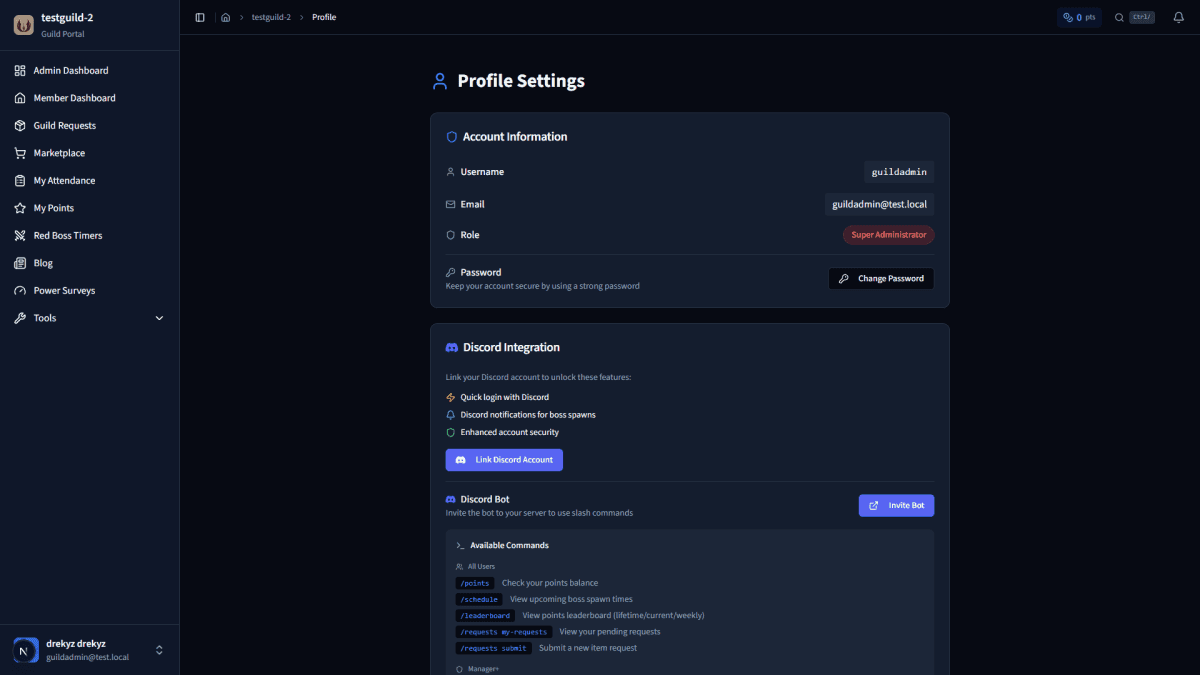
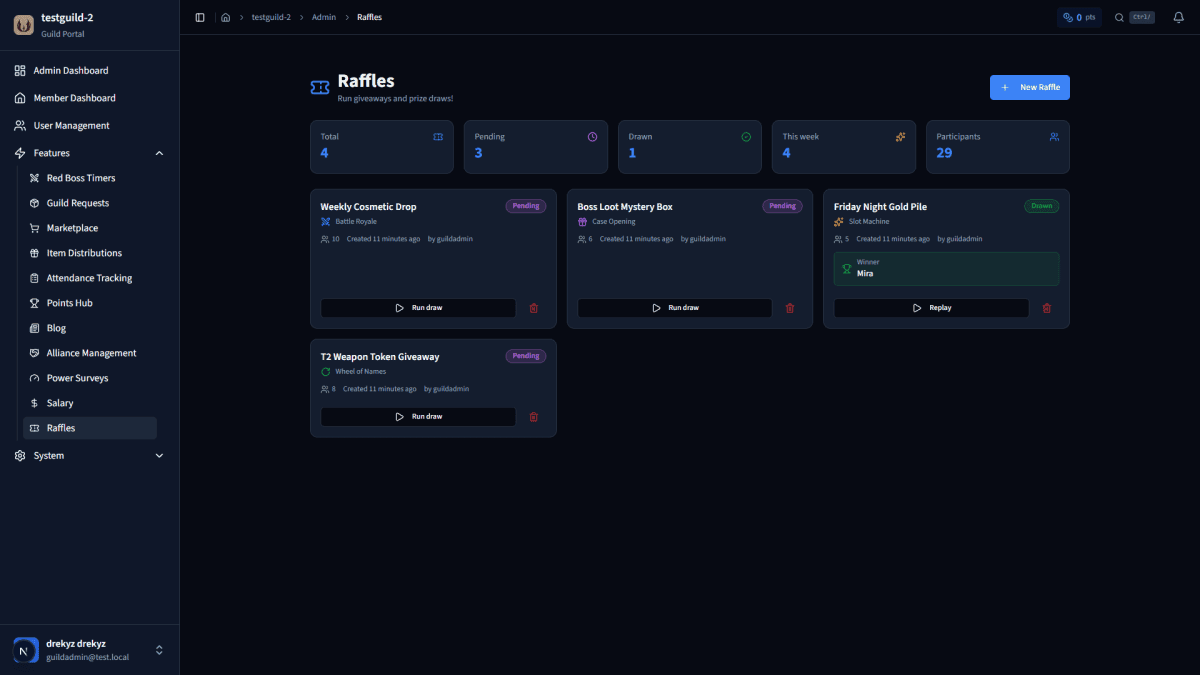
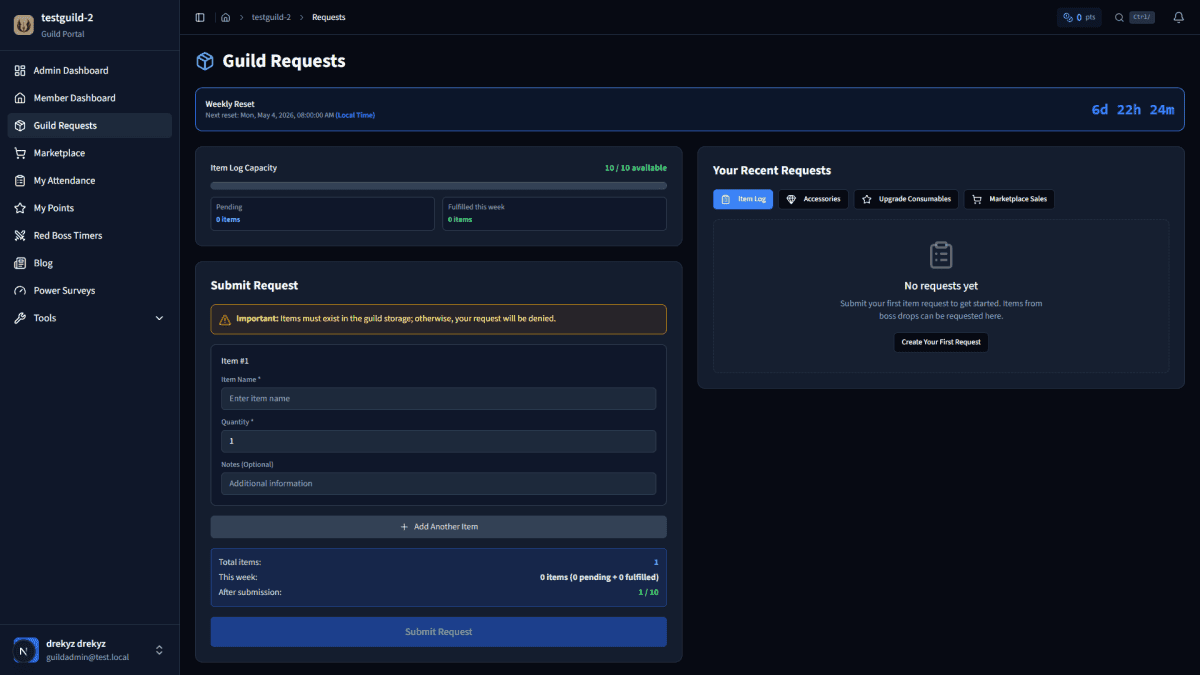
Your guild's main tank lives in California. Your healer is in Berlin. Your top DPS plays from Seoul. A world boss spawns at 14:00 server time and nobody can agree on what time that actually is. Sound familiar?
Tracking boss spawns across time zones is one of the most frustrating operational problems in any MMORPG guild. Missed spawns mean missed loot, wasted preparation, and angry members who set alarms for the wrong hour. This guide covers why timezone coordination breaks down, the different boss spawn types you need to handle, and how automated reminder systems make the entire problem disappear.
Why Timezone Boss Tracking Falls Apart
Most guilds start with a simple approach: post boss spawn times in a Discord channel. This works until it doesn't, and it stops working fast.
Here's what goes wrong:
- Daylight saving time shifts. The US, Europe, and Asia change clocks on different dates. For two weeks every spring and fall, every posted time is wrong for someone.
- Server time confusion. Is the boss spawning at 14:00 server time, UTC, or the raid leader's local time? Nobody clarifies because everyone assumes their interpretation is correct.
- Manual conversion errors. Players who convert times in their heads get it wrong. "UTC+9 minus 5 hours is... wait, do I add or subtract for DST?"
- Spawn window drift. Timer-based bosses don't spawn at exact times — they have windows. A 6-hour respawn timer that starts after a kill could put the next spawn anywhere from 2 AM to 8 AM depending on your timezone.
- Information decay. Pinned messages in Discord get buried. Spreadsheets go stale. The officer who maintained the boss schedule goes on vacation.
The result: your most dedicated players burn out setting 3 AM alarms, your casual players miss everything, and the guild bleeds participation.
Understanding Boss Spawn Types
Before you can track boss spawns effectively, you need to understand how different games handle spawn mechanics. There are three main types, and each requires a different tracking approach.
Timer-Based Spawns
The boss respawns a fixed duration after it was last killed. Kill it at 10:00, and with a 6-hour timer, it spawns again at 16:00.
Tracking challenge: You need to record the exact kill time, then calculate the next spawn. If nobody logs the kill, the timer is lost. If the kill time is logged in the wrong timezone, every subsequent calculation is wrong.
What you need: Automatic kill-time recording with timezone-aware countdown display.
Scheduled Spawns
The boss spawns at fixed times regardless of when it was last killed. Every day at 12:00 and 20:00 server time, period.
Tracking challenge: Simpler than timers, but players still need to convert server time to their local time. And scheduled spawns that happen during off-hours for certain timezones get consistently missed.
What you need: Automatic timezone conversion and reminders that fire at the right local time for each player.
Hybrid Spawns
Some games combine both: a boss spawns on a schedule but with a random window, or spawns on a timer that resets at daily server reset. These are the hardest to track because the rules are complex and sometimes undocumented.
What you need: A flexible system that handles scheduled times, kill-based timers, and variable spawn windows — all in one place.
The 3 AM Alarm Problem
Here's a scenario every multi-timezone guild leader recognizes:
Your guild tracks a boss that spawns every 8 hours after its last kill. It was killed at 22:00 UTC. The next spawn is 06:00 UTC — which is:
- 11:00 PM in California (manageable)
- 07:00 AM in Berlin (early but doable)
- 03:00 PM in Seoul (perfect)
Someone kills it at 06:15 UTC. Next spawn: 14:15 UTC.
- 7:15 AM in California (fine)
- 3:15 PM in Berlin (great)
- 11:15 PM in Seoul (rough)
Now your Seoul player needs a late-night alarm. And the cycle keeps rotating, ensuring that every timezone takes turns getting the worst spawn times.
You can't fix the rotation — that's just math. But you can make sure everyone knows exactly when the next spawn is in their local time, without doing mental arithmetic at 3 AM.
How Automated Timezone-Aware Reminders Solve Everything
The fix isn't better spreadsheets or more disciplined officers. It's automation that handles timezone conversion and notification delivery.
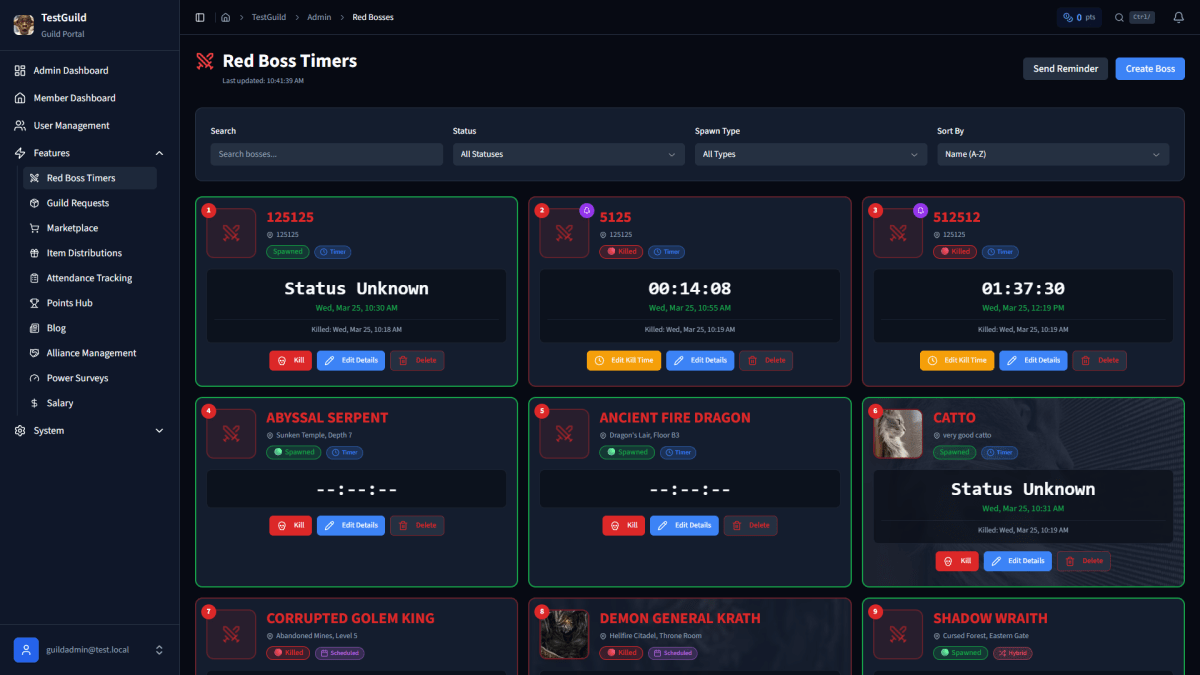
A proper boss tracking system does three things:
1. Records Kill Times Automatically
When an officer marks a boss as killed, the system records the exact UTC timestamp. No manual timezone conversion, no ambiguity. The kill time is stored once, correctly, and every subsequent display converts it to the viewer's local timezone.
2. Calculates Next Spawn With Context
For timer-based bosses, the system adds the respawn duration to the kill time. For scheduled bosses, it pulls from the configured schedule. For hybrid spawns, it factors in both. The next spawn time is always displayed in the viewer's timezone.
3. Sends Reminders Through Discord
This is the critical piece. Instead of relying on players to check a website or spreadsheet, the system pushes notifications directly to Discord — where your guild already lives.
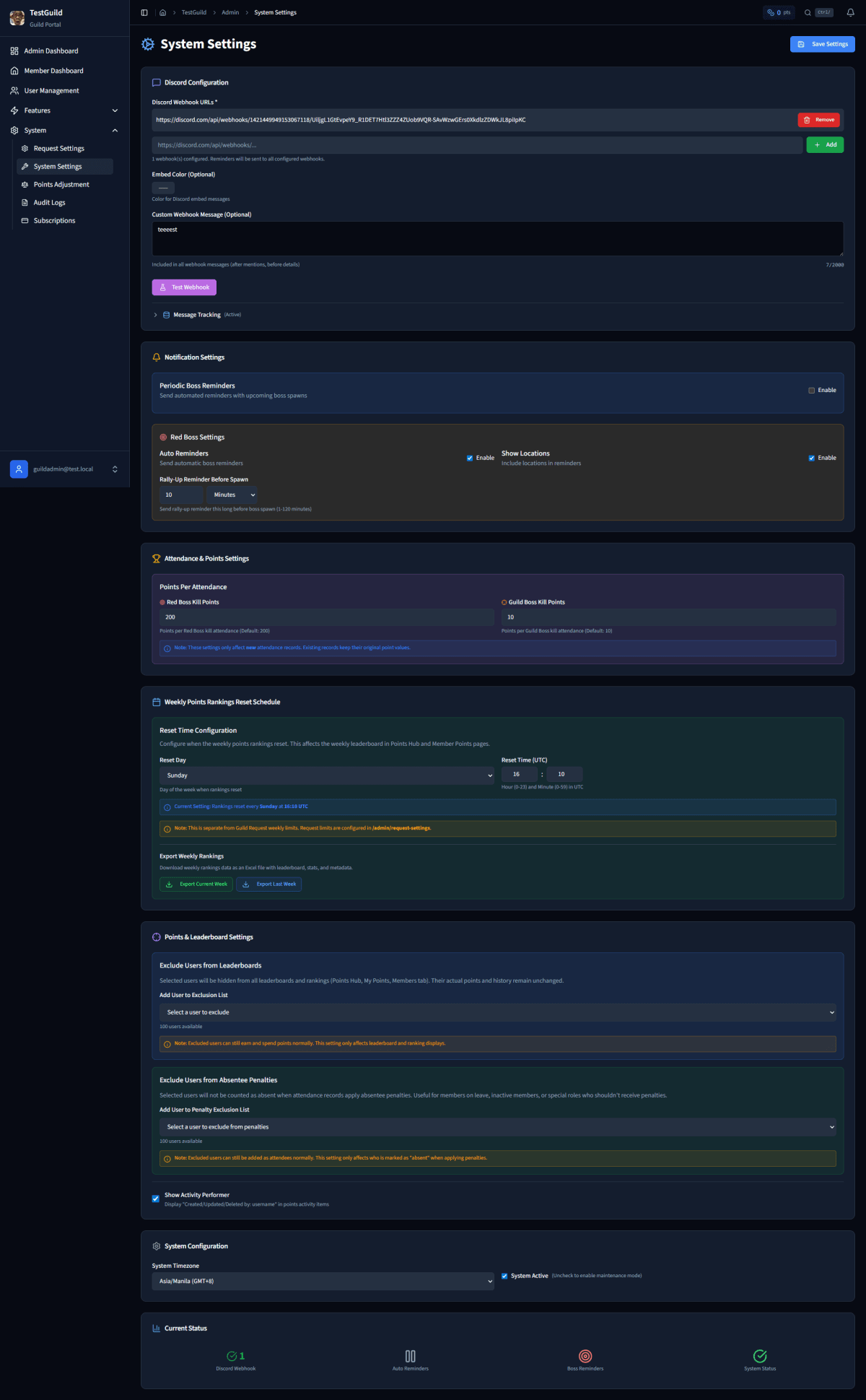
Raidium's reminder system uses Discord webhooks to send automated boss spawn alerts. You configure the reminder schedule in your guild settings, and the system handles the rest:
- Reminders fire at configurable intervals before the spawn
- Each guild gets its own reminder frequency settings
- Rally-up alerts let officers ping for attendance before major spawns
- The system self-schedules, so if a reminder is missed (server downtime, etc.), it catches up automatically
Setting Up Effective Boss Tracking for Your Guild
Whether you use Raidium or build your own system, here's what effective multi-timezone boss tracking requires:
Store Everything in UTC
This is non-negotiable. Every kill time, every spawn time, every schedule — stored in UTC. Convert to local time only at the display layer. This eliminates an entire category of bugs.
Configure Per-Guild Timezone
Your guild has a "home" timezone for display purposes. Set it explicitly. When an officer says "the boss spawns at 8 PM," everyone knows which 8 PM they mean.
Use Discord Webhooks for Notifications
Email is too slow. In-app notifications get missed. Discord is where your guild communicates, so that's where spawn reminders should land. Webhook-based reminders appear in the channel as regular messages — no bot setup, no permissions headaches.
Track All Three Spawn Types
Don't build a system that only handles timers or only handles schedules. Your guild probably tracks bosses across multiple games or content types, and they won't all use the same spawn mechanic.
Log Kill History
Historical kill data serves two purposes: it lets you predict spawn patterns for bosses with variable windows, and it gives you attendance data for your points system. Kill logs with timestamps, participants, and item drops create a complete record.
Real-World Scenarios
Scenario: DST Transition Your guild is US-based but has EU members. On the second Sunday of March, the US springs forward but Europe doesn't change until the last Sunday. For two weeks, the time difference between EST and CET is 5 hours instead of 6. If your reminders are hardcoded to a timezone offset instead of using proper timezone handling, every EU member gets reminders an hour late.
Fix: Use IANA timezone identifiers (America/New_York, Europe/Berlin), not UTC offsets. Let the timezone library handle DST.
Scenario: Kill Time Dispute Two officers mark the same boss killed at different times because one converted from server time incorrectly. Now the respawn timer is off by an hour and half the guild misses the spawn.
Fix: One officer marks the kill, the system records the UTC timestamp. No conversion, no duplication, no dispute.
Scenario: Weekend Boss Marathon A high-value boss has a 4-hour respawn timer. Your guild wants to chain-kill it all weekend. You need rotating teams across timezones, and each team needs to know their exact window.
Fix: Automated tracking shows the next spawn in every member's local time. Rally-up alerts go out 30 minutes before each spawn so the right team knows to get ready.
Stop Converting Time Zones in Your Head
Multi-timezone boss tracking isn't a people problem — asking your members to manually convert UTC to their local time and set their own alarms is a system design failure. The solution is straightforward: store times in UTC, display them locally, and push reminders through the channels your guild already uses.
Your members should be preparing for the boss, not arguing about what time it spawns.